Today's Hours:
9 a.m. – 5 p.m.

Planetarium

Join Us for a Breathtaking View of the Cosmos

With a 40-foot dome and 110 reclining seats, the Taylor Planetarium offers immersive shows that change with the seasons. Guided by staff, volunteers, and MSU students, our shows bring a new perspective to astronomy, planetary exploration, and other exciting topics.

Schedule

The planetarium is open year-round except for when the main museum is closed. All shows and showtimes are subject to change or cancellation without notice.

Showtimes


Daily

11 a.m., 12 p.m., 1 p.m., 2 p.m., 3 p.m.

Current Shows

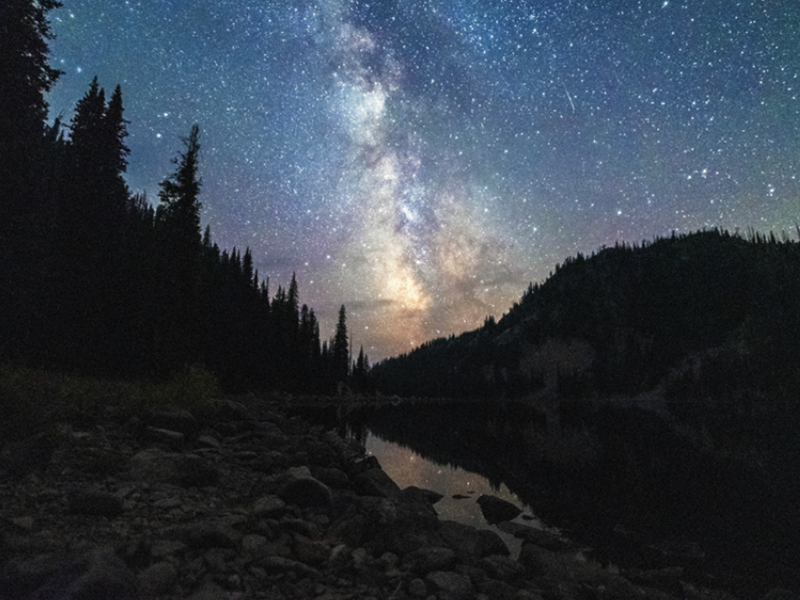
Montana Skies

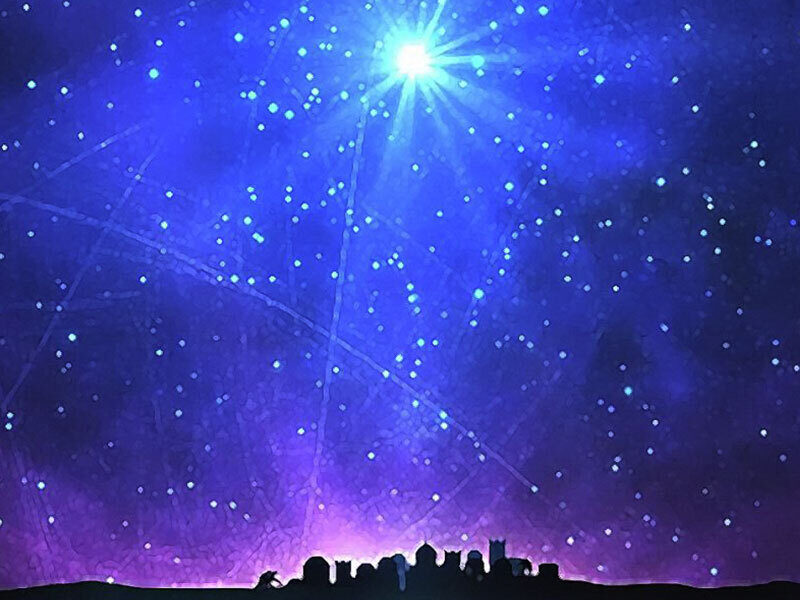
Season of Light

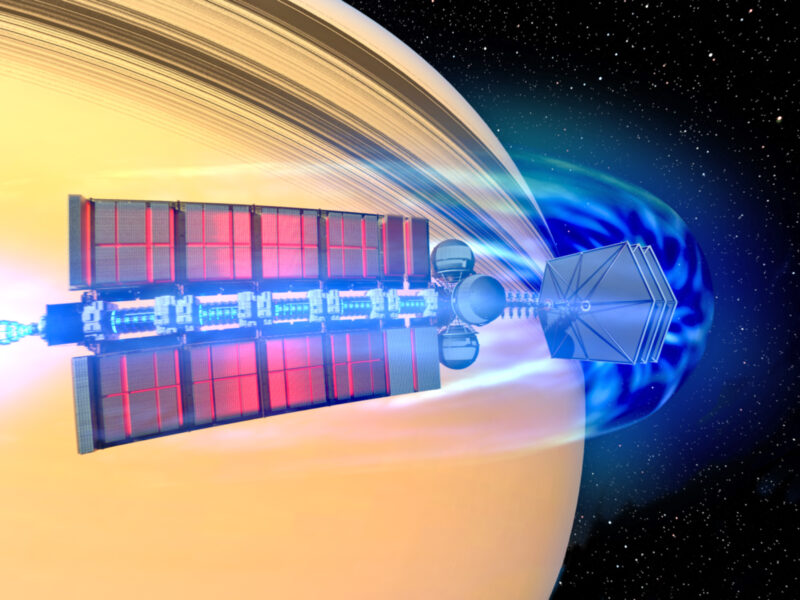
Mars: The Ultimate Voyage

Beyond Pluto: The Search For Planet 9

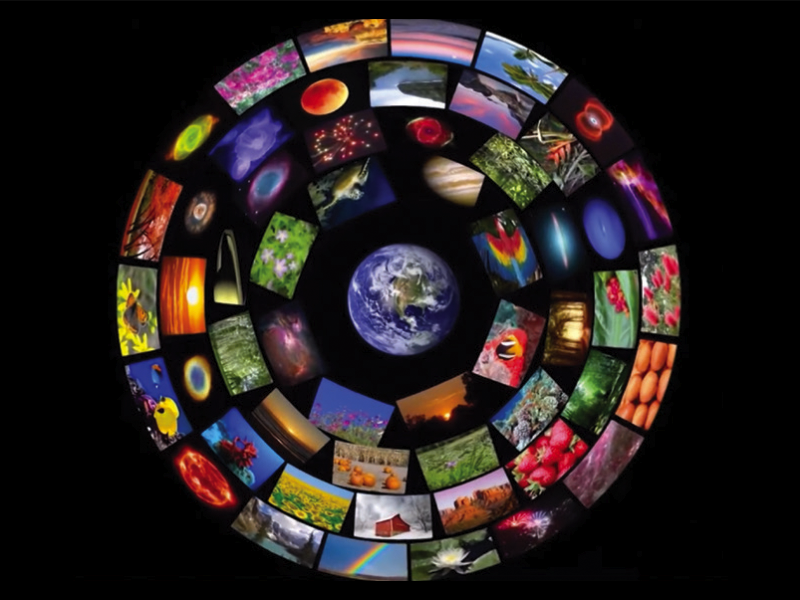
Cosmic Colors

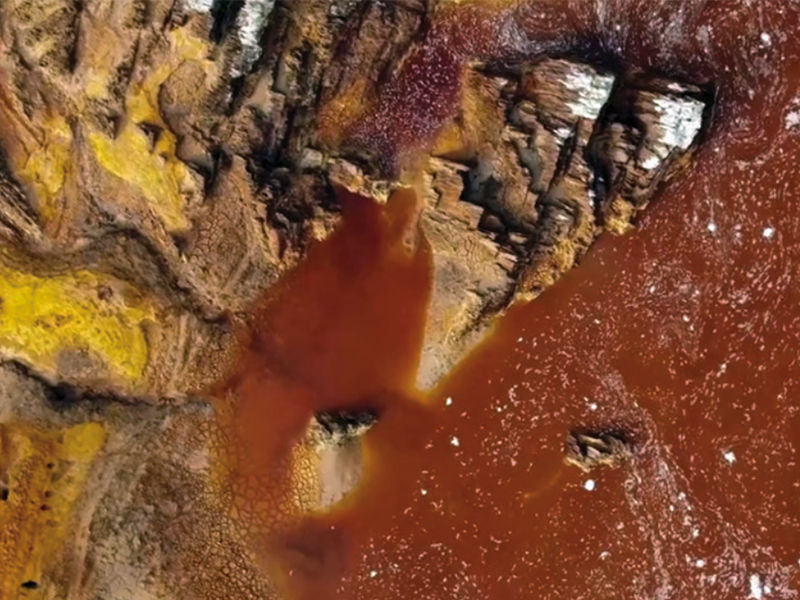
Dark Biosphere

Pricing

Tickets can be obtained at the Front Desk. Tickets are non-transferable and non-refundable.

Museum Member
$0
Child (Birth - 4)
FREE
Youth (5 - 17)
$5*
Adult (18 - 64)
$5*
Senior (65+)
$5*
Montana State University Student, Staff, Faculty, Blue & Gold Forever Members
$5*

*Tickets prices are in addition to general admission.

THINGS TO KNOW BEFORE YOU GO

  • Please arrive 10 – 15 minutes early to secure your seat, as the doors close promptly at the top of the hour. 
  • For your safety, late admission is not permitted. 
  • Food and beverages are not allowed in the planetarium.  
  • Except where noted as a Children's Show, shows are not recommended for ages five and under. 

Einstein's Gravity Playlist

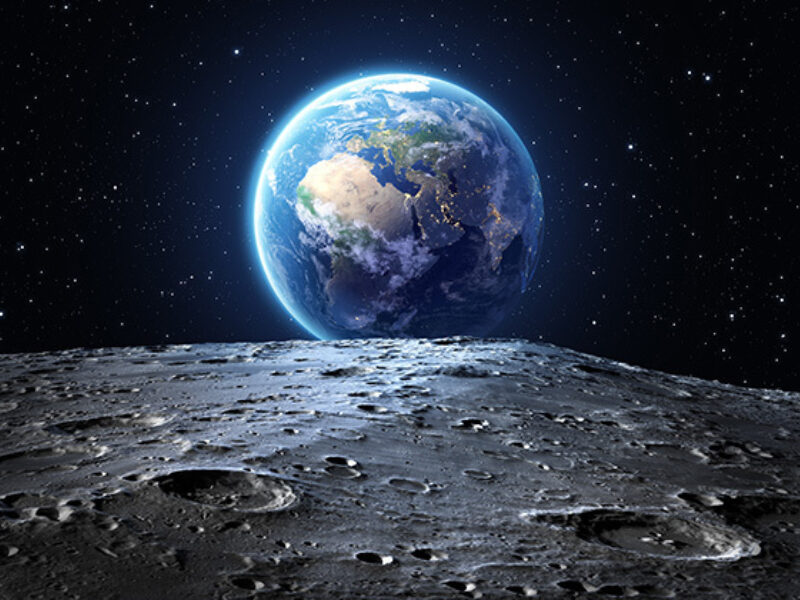
Conceptual image showing gravitational waves rippling through space, representing the Einstein's Gravity Playlist show.

Rent This Show

If your planetarium is interested in renting Einstein's Gravity Playlist, please contact our Planetarium Manager.

Produced at Montana State University, this original Taylor Planetarium show explores Einstein’s famous theory that predicted the existence of gravitational waves through their discovery in February 2016. Sir Arthur Eddington observed a total solar eclipse on May 29, 1919, which confirmed Einstein’s theory. In 2019, this show was created to commemorate the 100th anniversary of this famous event.

Join Lucia, a PhD student in physics, on an exploration of how gravitational waves are formed, how they move through the Universe, and how scientists work to hear them. Discover how a century after Albert Einstein first predicted the existence of gravitational waves in 1916, scientists finally detected these waves using incredibly precise laser technology on Earth.

In honour of this long-anticipated detection, the scientists who created the Laser Interferometer Gravitational-Wave Observatory (LIGO) received the Nobel Prize in Physics in 2017.

Some content provided by the British Fulldome Institute.
CHECK US OUT ON INSTAGRAM

© 2025 Museum of the Rockies. All Rights Reserved. | Website Created By: PRIME

© 2025 Museum of the Rockies. All Rights Reserved.
Website Created By: PRIME