



Today's Hours:
9 a.m. – 5 p.m.

Paleontology

Paleontology

Montana’s fossil-rich landscapes reveal one of the most remarkable prehistoric records on Earth. For more than three decades, the Paleontology Team at Museum of the Rockies has explored and studied this ancient world, uncovering fossils that continue to reshape our understanding of life in the deep past.

A close-up of a paleontology technician wearing safety glasses and using a specialized tool to carefully clean and prepare a dinosaur fossil under a bright laboratory light.

A World-Class Fossil Collection

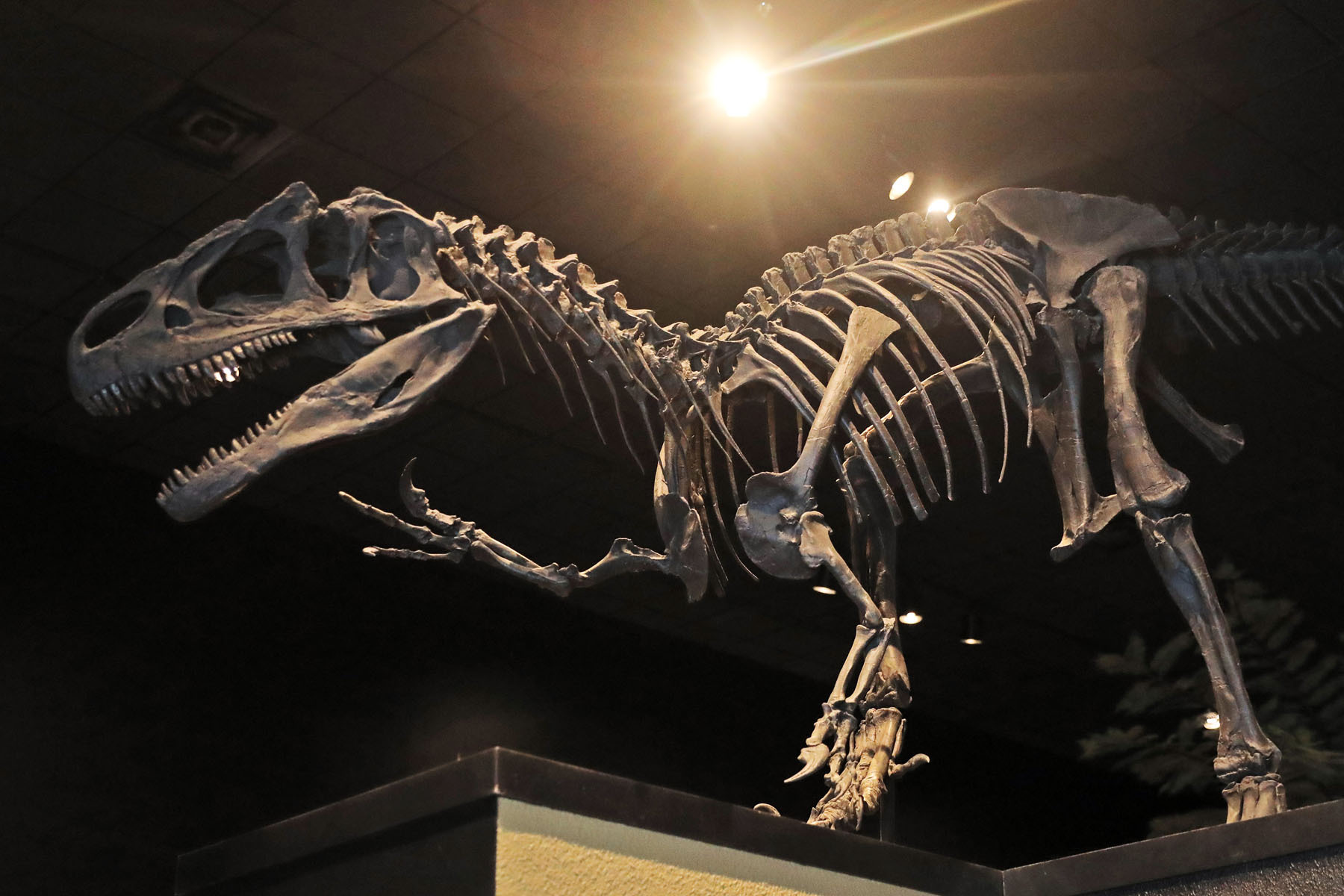
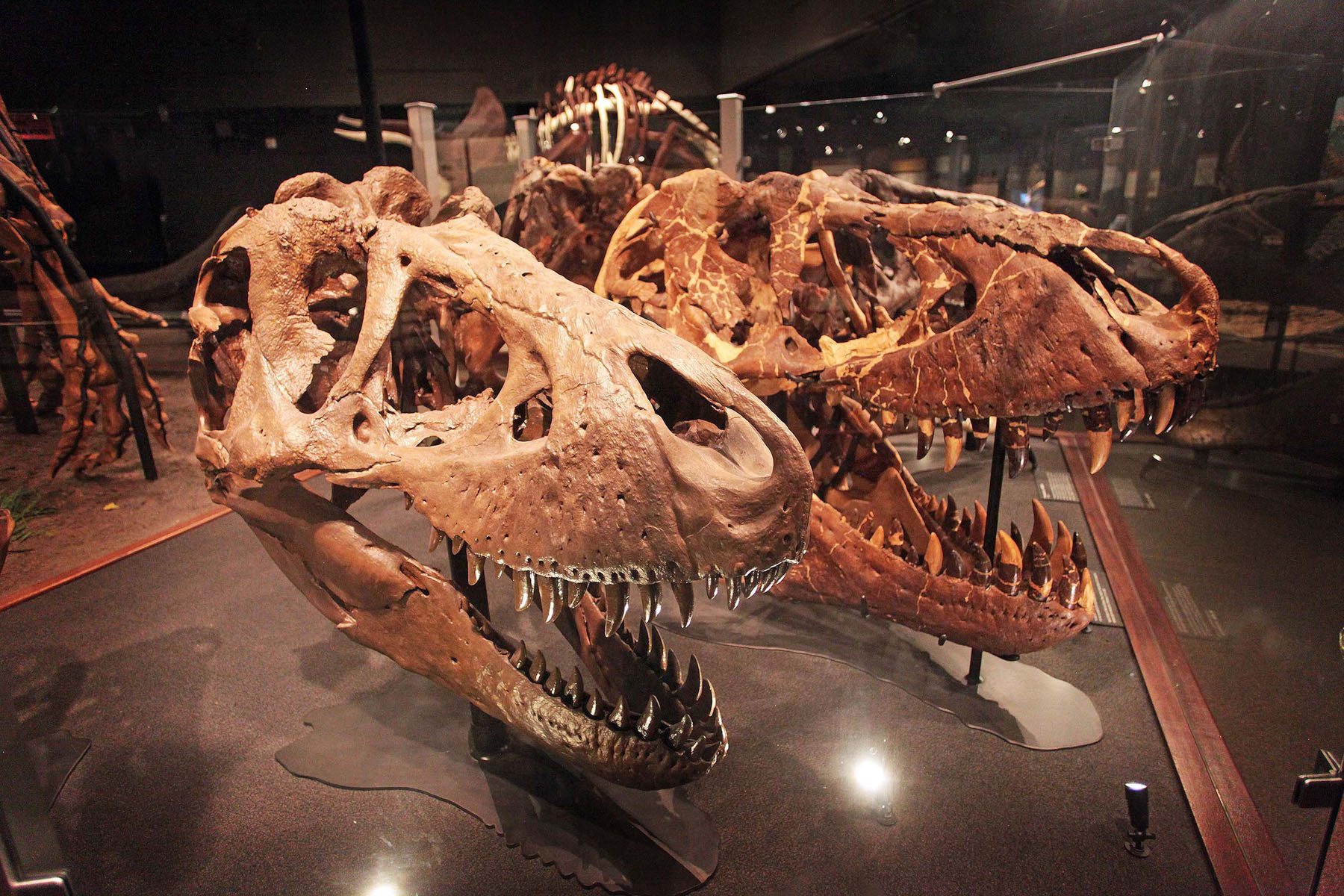
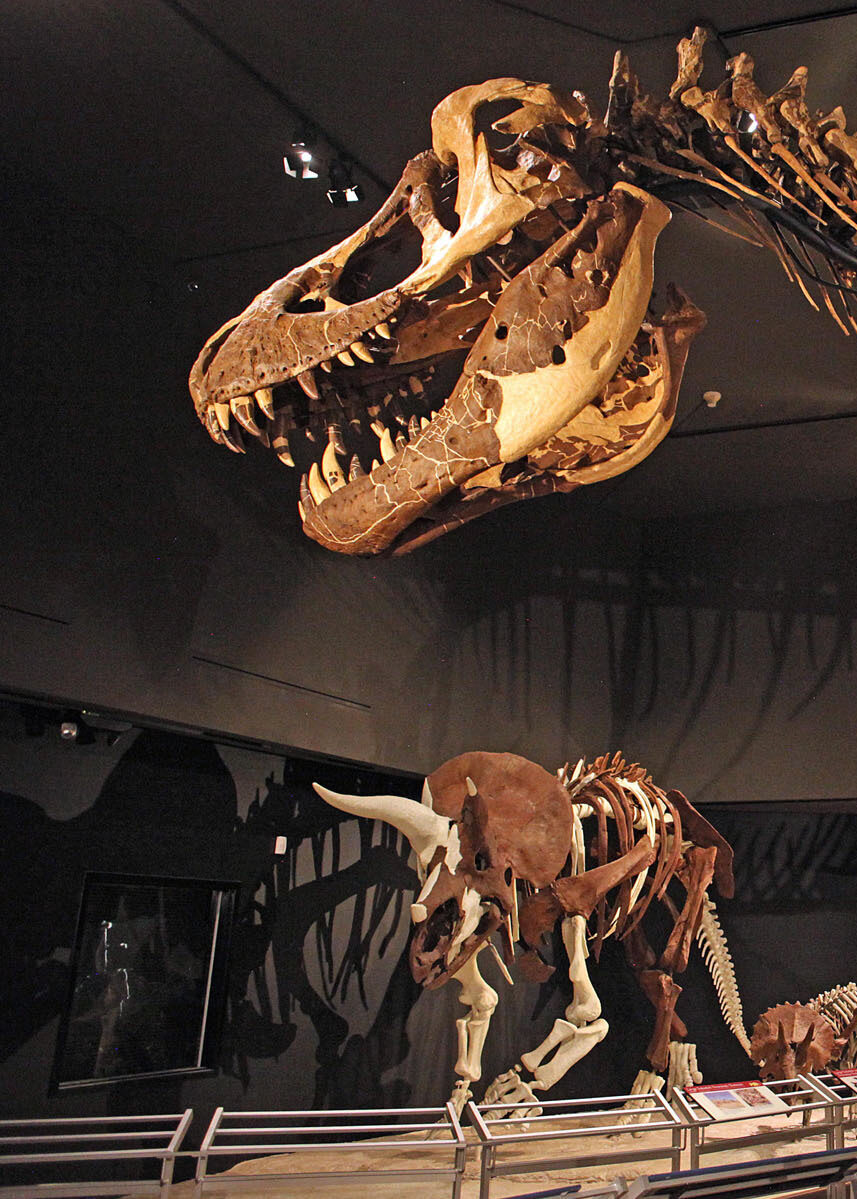
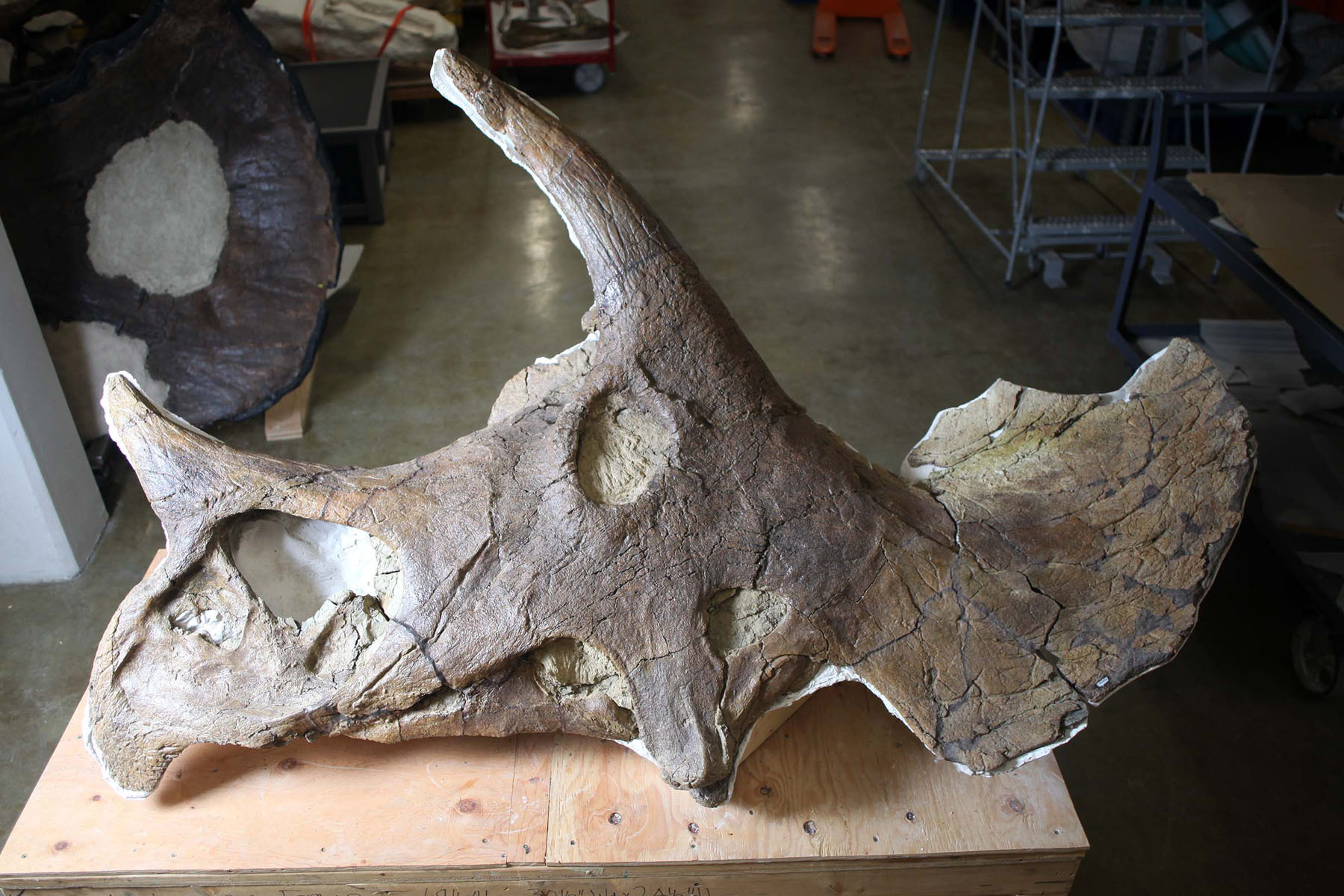
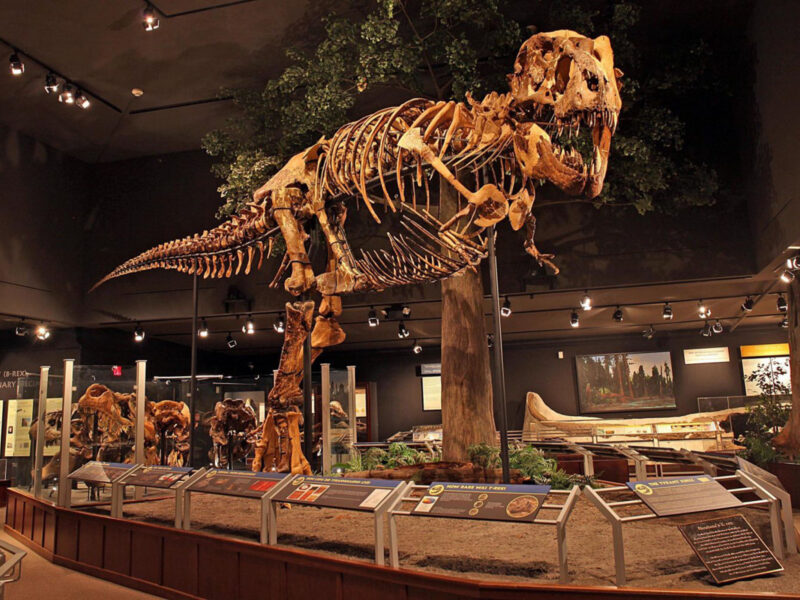
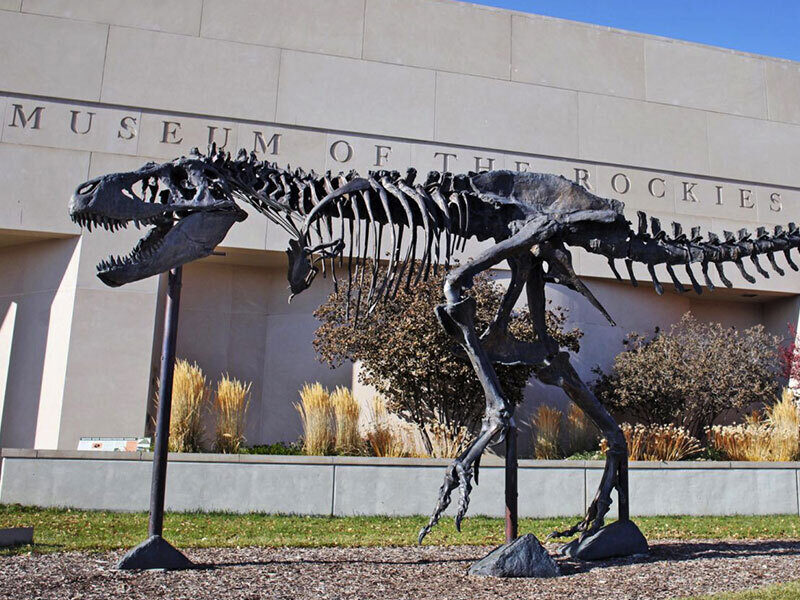
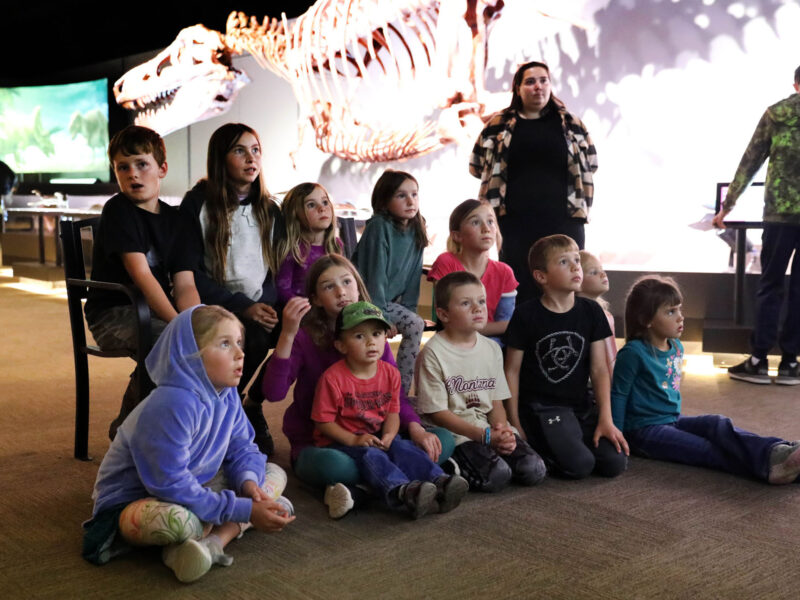
Museum of the Rockies houses one of the most important collections of fossil vertebrates in North America. The museum’s hundreds of thousands of specimens include clams, fishes, amphibians, lizards, mammals, and an extraordinary array of dinosaurs. MOR also holds the world’s largest collections of Tyrannosaurus rex and Triceratops, many showcased in the Siebel Dinosaur Complex, where visitors can stand eye-to-eye with these prehistoric icons.

Leaders in Research and Discovery

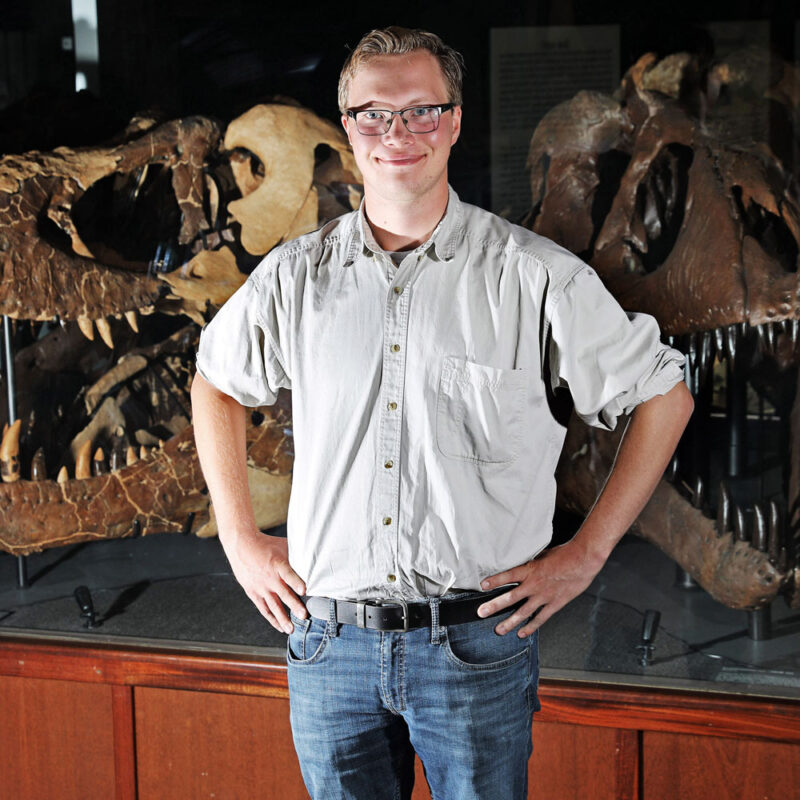
The museum’s tradition of discovery began with John “Jack” Horner Ph.D. (h.c.), whose groundbreaking work revealed how dinosaurs grew and behaved. Today, Dr. John B. Scannella continues that legacy as the John R. Horner Curator of Paleontology, guiding research, exhibitions, and fieldwork that inspire both scientists and visitors.

From Field to Laboratory

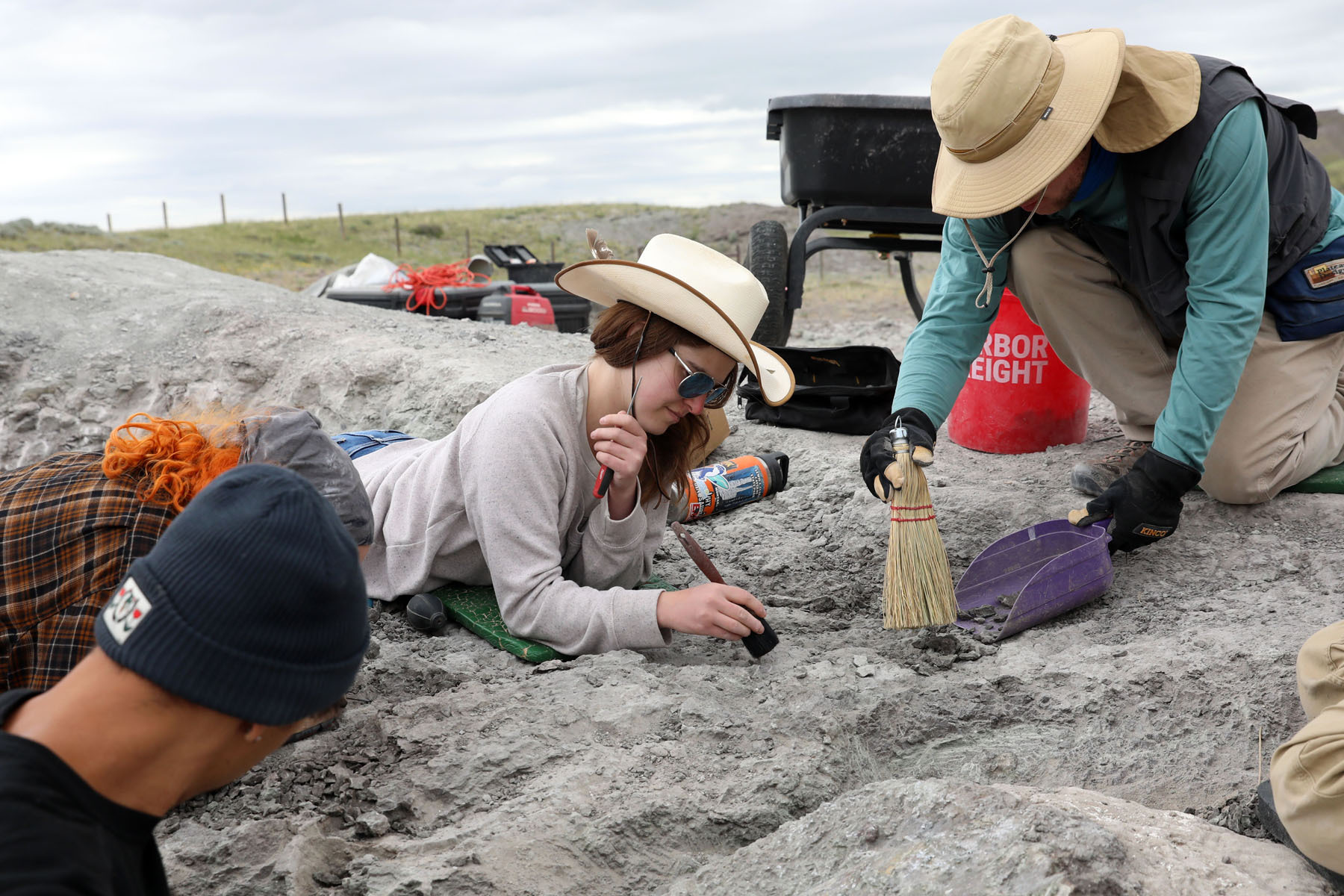
John Scannella, Curator of Paleontology, sitting on the ground during a field excavation, surrounded by tools and equipment in a vast, open landscape.

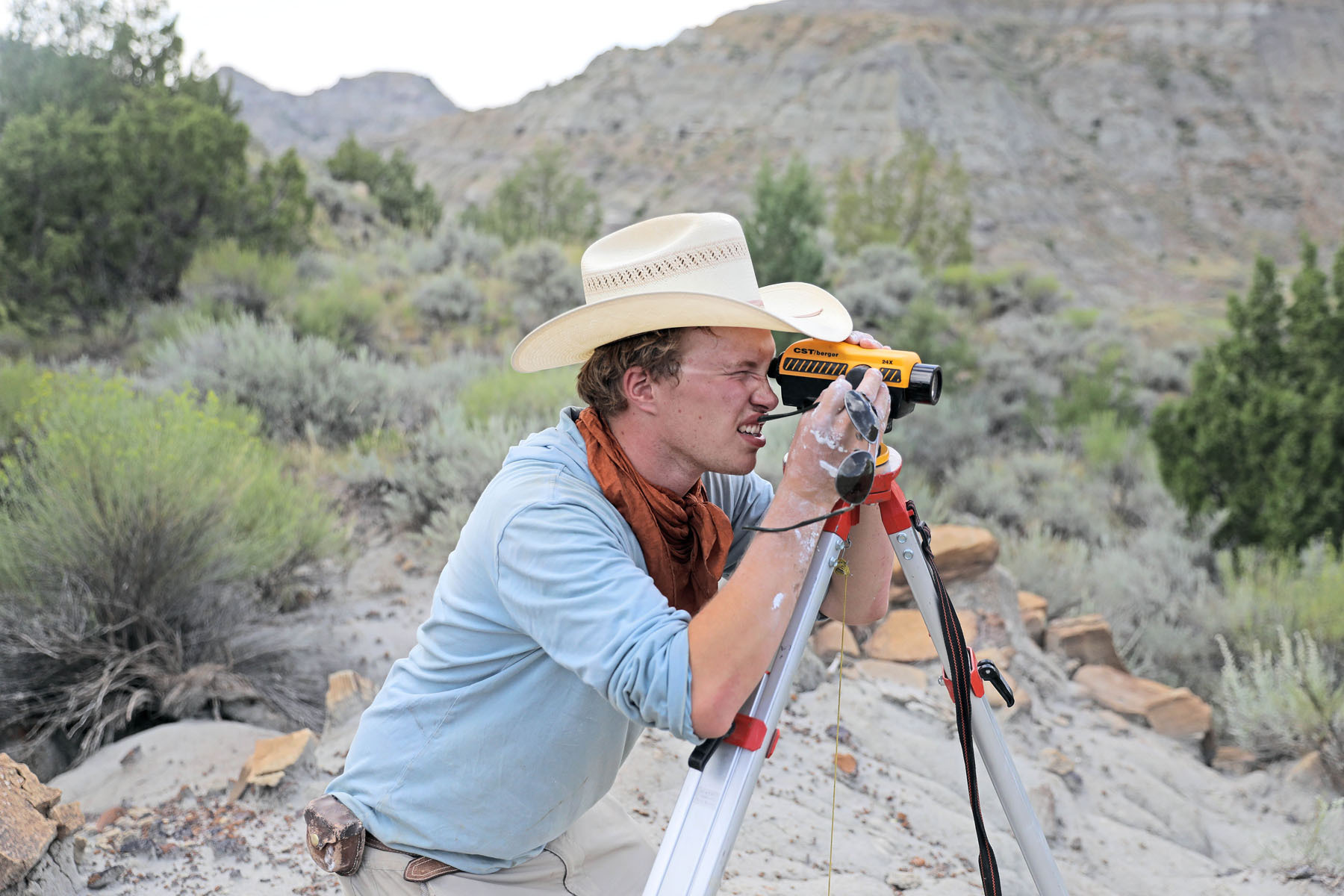
Each summer, MOR scientists and students search the badlands of Montana for new fossils. Back at the museum, discoveries are prepared and studied year-round in the Bowman Dinosaur Viewing Lab, Fossil Preparation Lab, Gabriel Lab for Cellular and Molecular Paleontology, and the Paleontology Collections. Visitors can often watch this research in progress and see science unfolding before their eyes.

A Global Center for Paleontology

Researchers from around the world travel to MOR to study its exceptional specimens. The Siebel Dinosaur Complex highlights discoveries made by the museum’s scientists, students, and collaborators at Montana State University, connecting the public directly to the ongoing story of discovery.

Other Paleontology Resources

Fossils are the preserved remains, or traces of remains, of ancient animals and plants. MOR's paleontologists make the time to help people identify fossils that they have found in and around Montana.

To have your fossil identified, please send an email to Dr. John Scannella with the following information.

  • One to three photos of the fossil attached to the email. Please do not add attachments that collectively total over 10 MB in size. Please include something in the photograph for scale, such as a ruler.
  • The location where you found the fossil. Example: On my ranch, located a few miles north of Miles City.
  • What was the soil or rock-like surrounding the fossil? Examples: It was found in the gravel by a river. It was found in a tan sandstone hill.

Due to our paleontologist's schedules, it may take up to four weeks to receive a reply.

MOR Paleontology Collections are now online! Please press the "Search" button if you do not know where to begin. More specimens will be added regularly.

Museum of the Rockies houses one of the largest collections of North American dinosaurs in the world as well as the fossils of mammals and other organisms from Montana and surrounding regions. MOR is a repository for federal and state fossils.

Paleontology collections access is available to qualified researchers for scholarly purposes Monday through Friday from 9 a.m to 4 p.m. Visiting researchers from outside the university are required to request an appointment in advance.

Requests for collections access should be submitted at least 30 days in advance. Requests to access histological specimens or specimens which are currently on exhibit should be submitted at least 60 days in advance. Visiting researchers will be escorted to the collections by MOR staff. Access to the paleontology collections may be limited during the summer months.

Requests for collection access or for the loan of fossil specimens should be submitted by sending an email to the Paleontology Collections Manager-Registrar.

Museum of the Rockies is the location of one of the few paleohistology laboratories in the world. Research here is focused on the study of the microscopic structure of fossil specimens, which allows for a more in-depth exploration into dinosaur growth, physiology, and behavior.

The Gabriel Lab has produced an unparalleled collection of thin-section slides of over 2,200 fossil specimens as well as numerous comparative samples of modern bone.

In the Fossil Preparation Lab, rock that has encased fossils for millions of years is carefully removed so that specimens can be studied and displayed. This work is conducted by fossil preparators, experienced paleontologists who carefully expose, preserve, and, in some cases, repair specimens.

The prep lab also produces molds and casts of fossils which may be used for educational or display purposes. The lab is overseen by the Paleontology Lab and Field Manager. Many students and volunteers have been trained in fossil conservation and preparation techniques in the MOR lab, which continues to run an active volunteer program. Learn about volunteering.

Fossils are also prepared in the Bowman Dinosaur Viewing Lab located inside of the Siebel Dinosaur Complex. This lab space allows the public to see fossil preparation in action and to ask preparators questions about their current projects.

Dr. Alida Bailleul, Institute of Vertebrate Paleontology and Paleoanthropology

Dr. David Bowen, Montana State University

Dr. Thomas Carr, Carthage College

Dr. Karen Chin, University of Colorado Museum of Natural History

Dr. Meaghan Emery-Wetherell, Central Washington University

Dr. Mark Goodwin, University of California Museum of Paleontology

Dr. Shin Ikebe, Aso Volcano Museum

Dr. Naoki Ikegami, Mifune Dinosaur Museum

Dr. Michael Ivie, Montana State University

Dr. Yoshi Katsura, Ishikawa Museum of Natural History

Dr. Chris Organ, Montana State University

Dr. Devon Orme, Montana State University

Dr. Mary Schweitzer, North Carolina State University

Dr. David Varricchio, Montana State University

Dr. Ewan Wolff, Montana State University, University of New Mexico, Las Vegas Natural History Museum

Cary Woodruff, Great Plains Dinosaur Museum and Royal Ontario Museum

Dr. Holly Woodward Ballard, Oklahoma State University Center for Health Sciences

Museum of the Rockies is a proud partner of the Montana Dinosaur Trail. This statewide trail runs across Montana and consists of 14 locations from the Two Medicine Dinosaur Center in Bynum to the Carter County Museum in Ekalaka. Each location offers a glimpse at the historic discoveries in the state and provides visitors with a better understanding of the giants that once inhabited our planet.

Museum of the Rockies is proud to have sister-museum relationships with the Carter County Museum, Mifune Dinosaur Museum, Aso Volcano Museum, Fukui Prefectural Dinosaur Museum, and the Burke Museum of Natural History and Culture.

Meet the Paleontology Team

CHECK US OUT ON INSTAGRAM

© 2025 Museum of the Rockies. All Rights Reserved. | Website Created By: PRIME

© 2025 Museum of the Rockies. All Rights Reserved.
Website Created By: PRIME