Today's Hours:
9 a.m. – 5 p.m.

Cultural History

Cultural History

The Cultural History Department at Museum of the Rockies interprets the human history of the region through exhibitions, programs, and outreach. By studying and preserving this area’s material culture, the department tells the stories of the people who have lived, and continue to live, in the Northern Rockies.

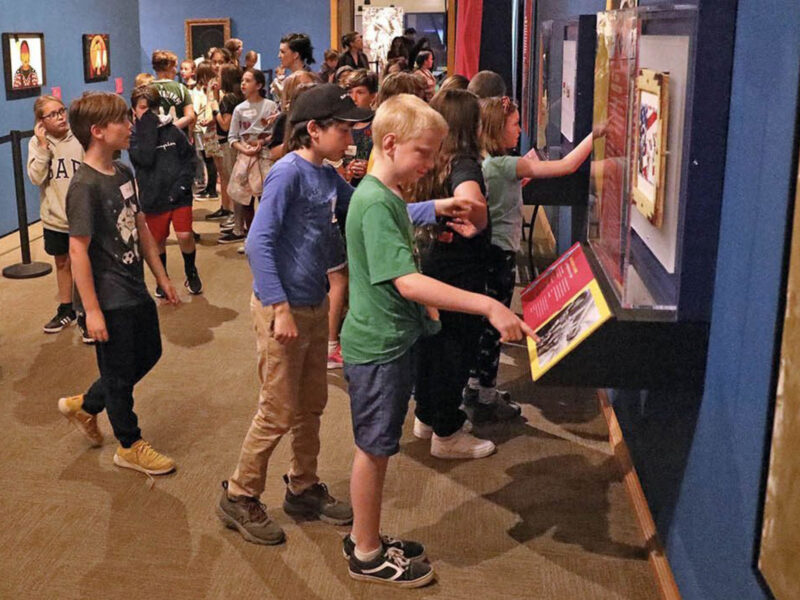
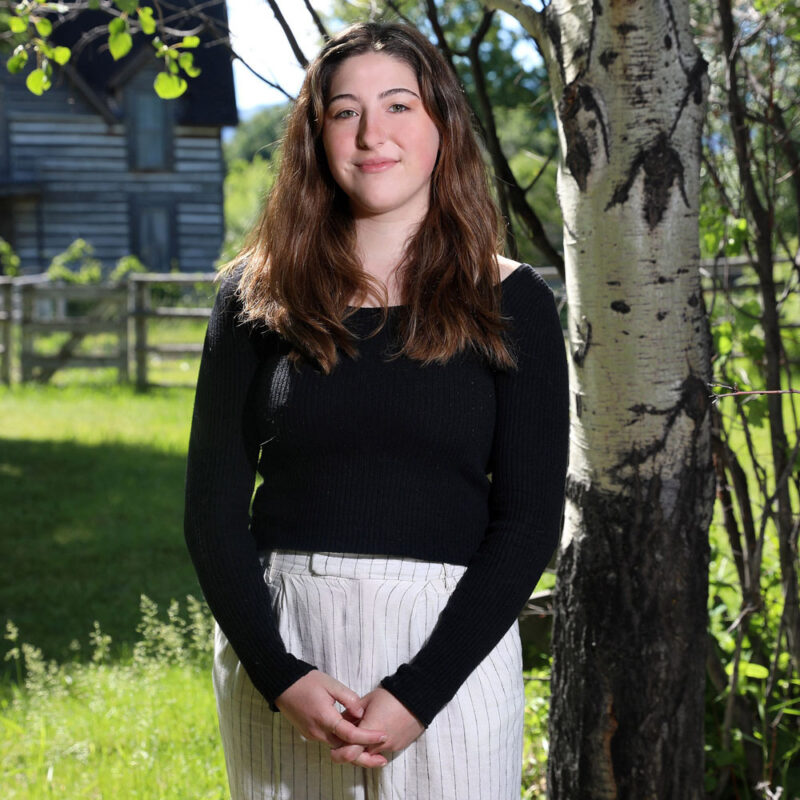
Anya leaning over examining vibrantly colored art in a collection or area.

Collections That Connect Past and Present

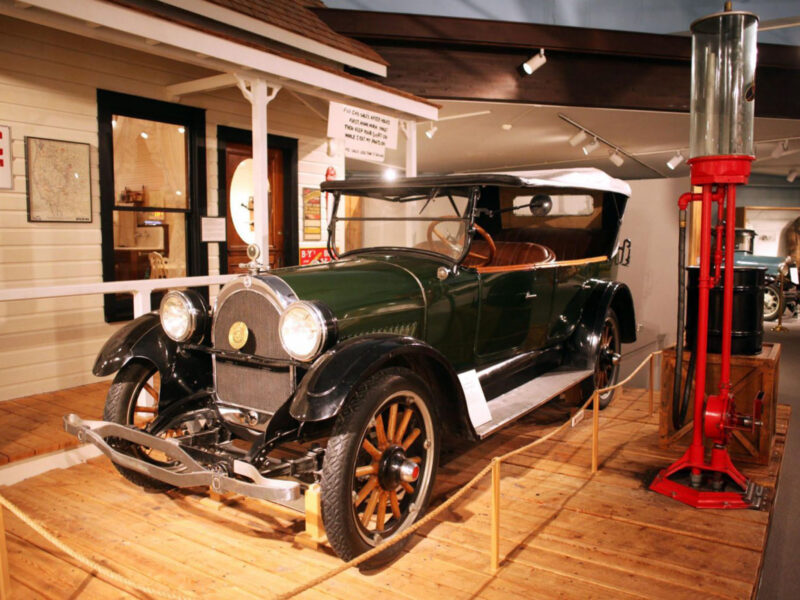
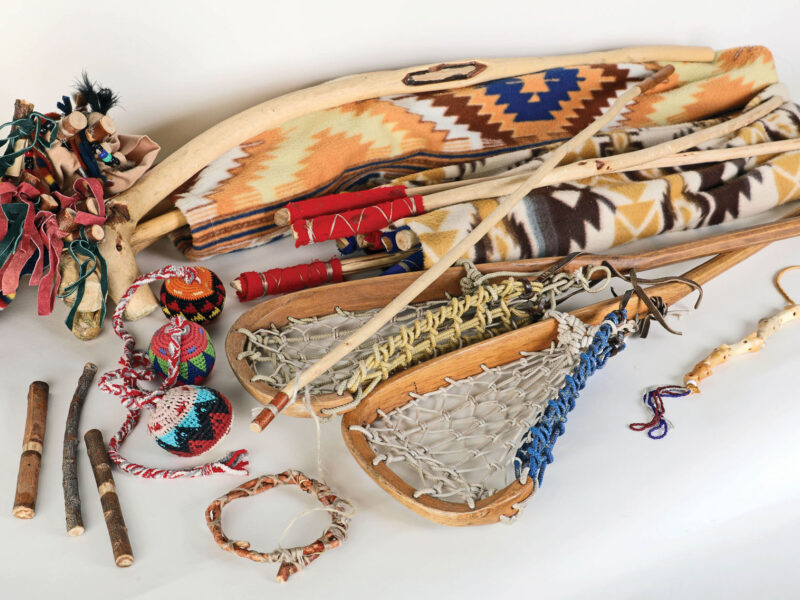
The museum’s cultural history collection includes American Indian artifacts, textiles, clothing, tools, vehicles, furnishings, firearms, and archaeological materials. Many of these pieces come from generous donors across the United States who help preserve the region’s heritage for future generations.

A notable acquisition is the Hamilton-Povah Yellowstone Collection, which chronicles the Hamilton and Povah families’ operation of the Hamilton Stores in Yellowstone National Park from 1915 to 2003. The museum gratefully acknowledges Mrs. Ellie Povah for her significant contribution of both artifacts and funding.

The Curatorial Center for the Humanities

Opened in 2017, the LEED Gold Certified, 20,395-square-foot Curatorial Center for the Humanities provides secure, climate-controlled storage for more than 300,000 artifacts in history, art, photography, and archaeology. The center also houses staff offices, a loading dock, and a freight elevator to support ongoing collections care and research.

Historic red and yellow horse-drawn stagecoach with large wooden wheels, displayed indoors in the cultural history collections staging area.

Preserving and Sharing Regional Heritage

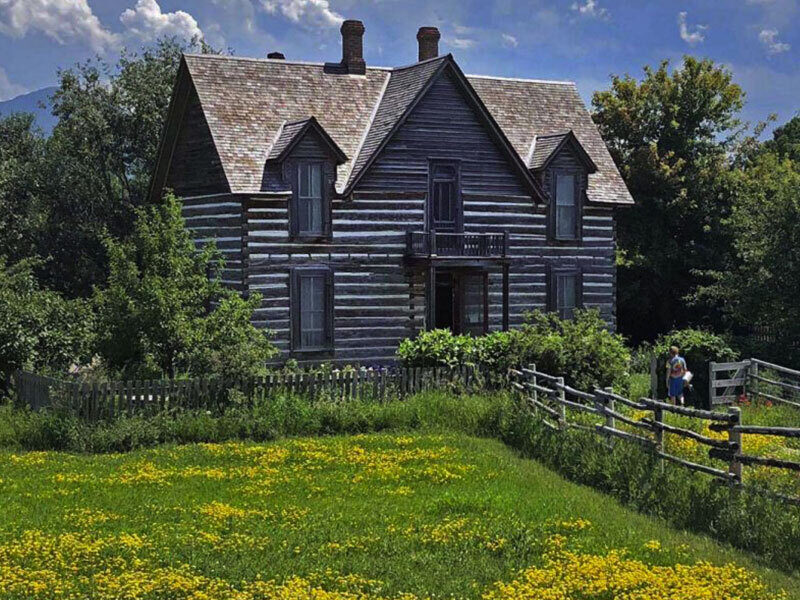
Cultural history artifacts complement the museum’s extensive natural history collections, together totaling nearly 700,000 items. These materials support research, exhibitions, and educational programs that bring the past to life. Through teaching and Living History collections, most visibly at the Tinsley House and Farm, visitors experience daily life in rural Montana between 1890 and 1910.

Browse Our Online Collections

MOR PHOTO ARCHIVE

Museum of the Rockies' online photo archive is a collection of historical photography from the late 1860's to the 1980's that documents the people, places, industry, and events of the Northern Rockies Region. The collection preserves and interprets the cultural history of Montana, Idaho, and Wyoming through research, exhibitions, public programming, and online databases.

Marlene Saccoccia Quilt Heritage Project

MOR's quilt collection is accessible online through the Montana Memory Project. The Marlene Saccoccia Quilt Heritage Project documents over 100 quilts made from circa 1775 to 1994 that are preserved in the cultural history collection. The quilts in this collection hold family memories, connect communities, and tell stories about the people who made or used them.

Yellowstone National Park Souvenir Postcards by Haynes Photo Shops

The Haynes family postcard business thrived in an era when postcards were the primary means of communication and could be sent for one cent in the United States and to anyone in the world for two cents. Haynes produced an estimated 55 million Yellowstone National Park postcards over the course of seven decades, including the ones in MOR's Yellowstone National Park Souvenir Postcards by Haynes Photo Shops collection.

McAuslan Digitization Project

The Helen McAuslan Collection consists of drawings, paintings, collage, sculpture, and prints created by Helen McAuslan (American, 1895-1970). McAuslan was a modern artist who lived in Montana for several decades. She created art inspired by her life in Montana and her travels abroad. McAuslan was a contemporary of other renowned Montana artists, including Jessie Wilber, Frances Senska, and Robert and Gennie DeWeese.

Other Information and Resources

Thank you for your interest in MOR's collections of material culture and natural history. Our collections total nearly 700,000 artifacts and specimens. These collections are used in a number of ways.

Natural history specimens, including geological, astronomical, and paleontological materials, are primarily used in scientific research. Through our loan and visiting researcher programs, these specimens are shared around the world, and we have access to specimens from other museums. This research is highlighted in our galleries and in exhibits developed for other museums.

Our photograph and film archives, with over 90,000 images, document the history of our region from the advent of photography to the present. These images are actively used in our exhibits, loaned to other museums, and are available for personal or professional research or for purchase by commercial users.

Historic and archaeological artifacts cover a broad range of disciplines. These artifacts represent the great variety of human activity in our region over the past 11,000 years and into the 21st century. This material is intended for long-term preservation and is used primarily for exhibit, educational purposes, and research. Our small fine art collection is supportive of the historical and archaeological collections.

Teaching and Living History collections are actively used by interpreters and visitors. Teaching collections support educational activities associated with our exhibits and other programs. Living History collections are those things used by interpreters at the Tinsley Historic House and farm. The Living History program interprets life in rural Montana between 1890 and 1910.

  • Click here to request an image from MOR's collections for the following uses:
    • For-Profit Publication Use: Images may be used for for-profit publication use.
    • Non-Profit Research and Education Use: Images may be used for non-profit research, education, publication, and other non-profit uses.
    • Non-Profit Personal Use: Images may be used for non-profit personal use.
    • Other Uses: Requests for any for-profit uses other than publication, contact MOR's Cultural History Registrar and Collections Manager.

If you are interested in visiting Museum of the Rockies to research any of our collections, please get in touch with Cultural History Registrar and Collections Manager via email or 406.994.2242. Research requests must be submitted with a minimum of four weeks' notice.

The museum and museum staff are prohibited from offering valuations, appraisals or authentications for artifacts or specimens. Appraisals and authentication should be carried out by a certified appraiser or reputable auction house. Museum of the Rockies neither endorses nor recommends any particular appraiser. The information below is for your information only.

Appraisers are trained specialists who work for a fee. They evaluate your artifact and provide you with a written statement of its value. The following organizations publish a directory of their members. Always seek an appraiser with an expertise in the type of object you own. Appraisers listed in these directories can be found by state and city. You may also find appraisers listed in local business directories.

  • American Society of Appraisers
  • Appraisers Association
  • International Society of Appraisers

Donating your object to the museum involves several steps. Should we choose not to accept your donation at any point in this process, we will be happy to help you find another appropriate repository.

To begin the process, please download this form and email it to the Registrar and Collections Manager at annya.jacobs@montana.edu. Please note, that you must attach photos of your potential donation to the email for the form to be submitted and considered.

The Registrar and Collections Manager and the Curator of History will review your proposal and contact you within three weeks of submitting the proposed donation form. They may decide to present the donation to our Collections Committee or decide that it is inappropriate for the collection. All donations to the permanent collection require committee approval; this committee meets every three months.

Upon committee acceptance, the Registrar and Collections Manager will send you a Deed of Gift, which is the document that transfers legal ownership of the object from you to MOR. Once we receive the signed Deed of Gift, your object becomes part of the collection, to be incorporated into our programs and activities accordingly.

Credit Line and Restrictions
You may specify a "credit line" that will become part of the exhibit label should your donation be exhibited. Please talk with us if you are interested in this, or if your gift is in memory of someone. If not otherwise specified, the credit line for your donation will read "Gift of [your name]." You may also request that your gift be anonymous; if so, you will not be identified to the public, but for your gift to be legal, we must have on file a signed gift document with your contact information.

The museum prefers that object gifts be unrestricted, meaning that once the object is legally ours, we control its use. Any limitations or restrictions to this policy must be discussed and agreed to by both parties prior to signing the gift document. You and your family may "visit" your donation during normal business hours; please contact us a few days ahead of time to schedule a visit so that we can have your donation ready for you. Please note that:

Restrictions may not be placed by donors or their heirs subsequent to signing a Gift Agreement or other legal gift document.

Restrictions cannot be placed on donations to the Teaching or Living History collections. We cannot guarantee that any object or group of objects will be exhibited or actively researched, cannot place any object on permanent exhibit, and cannot loan objects back to donors or their families.

What We Can & Can not Accept
Museum of the Rockies is pleased to consider any offered artifact or specimen. However, our storage space is limited, and there are legal and ethical considerations associated with each donation. These considerations vary somewhat depending on the type of artifact or specimen in question, but in general, we collect objects that relate to or are descriptive of the human and natural history of the region. Please contact the Registrar for more detail, but here are a few important points:

  • Object donations must meet the established criteria for the collection to which it is to be donated. For example, donations to the Living History collections must be appropriate to the interpreted period. We will be happy to provide and explain these criteria to you.
  • The object's legal owner must make object donations. For objects collected from the ground, the donor must be the landowner of the place of collection.
  • For archaeological artifacts and natural history specimens (including dinosaur bones) to be accepted to our permanent collections, we must have the geographic coordinates and other discovery details. Specimens without this data are occasionally accepted to our teaching collection, but cannot be accepted into our permanent collections.
  • Historical artifacts with documented histories, including who used it and where & when it was used, are preferred over those with an unknown background. In general, the more information you have about your object, the better!
  • We prefer that objects be whole, clean, and in generally stable condition at the time of donation. However, exceptions can sometimes be made for a potentially fragile object, so please talk with us before undertaking a major cleaning project.
  • The museum does not collect taxidermy.

The museum respects the protection and preservation of natural and cultural resources; to this end, we cannot accept:

  • human remains, grave goods, or culturally sacred objects
  • objects that have illegally changed hands
  • objects of cultural patrimony that cannot be shown to have clear legal provenance and/or that are subject to repatriation
  • specimens from protected species without associated permits or legal clearance
  • specimens or artifacts collected without written permission from public lands
  • items collected under circumstances that encourage damage or destruction of biota, established collecting sites, cultural monuments, or human burial places.

Once again, thank you for your interest in Museum of the Rockies' collections. As extensive as our collections are, they were built primarily through donations such as yours. We greatly appreciate your contribution to the history and understanding of our region.
Meet the Cultural History Team

CHECK US OUT ON INSTAGRAM

© 2025 Museum of the Rockies. All Rights Reserved. | Website Created By: PRIME

© 2025 Museum of the Rockies. All Rights Reserved.
Website Created By: PRIME